difference between digital marketing and traditional marketing
In today’s fast-changing business world, understanding the difference between digital marketing and traditional marketing is essential for every brand aiming to grow. Both forms of marketing share the same goal — to reach potential customers and promote products or services — but they differ greatly in how they achieve it. Traditional marketing relies on offline channels like TV, radio, newspapers, and billboards, while digital marketing uses online platforms such as social media, search engines, websites, and email campaigns. Knowing the strengths and weaknesses of each helps businesses choose the right strategy for their target audience and budget.
What is Digital Marketing?
Digital marketing is the advertising of products or services using online channels and digital mediums. It employs the internet, social media, search engines, email, and websites to reach customers. Digital marketing is employed by businesses to access a worldwide audience, measure outcomes, and interact with individuals in real time. Such things are Google Ads, Facebook campaigns, influencer marketing, and email newsletters.
The greatest strength of digital marketing is that it can target a particular audience. Advertisers can select whom to display their ads to based on location, interest, age, and behavior. It’s affordable, as well as measurable using analytics tools, making business easier so they know what works best.
What is Traditional Marketing?
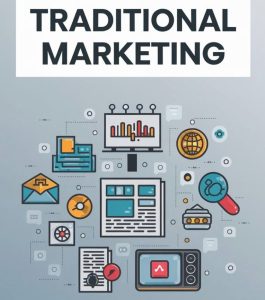
Traditional marketing is the name given to offline marketing strategies that employ physical channels of reaching an audience. Television advertising, radio spots, print media, billboards, brochures, and direct mail are typical examples. Traditional marketing has been in operation for decades and is still effective at engaging local or aged audiences who can be less active online.
Conventional marketing establishes brand recognition and trust through exposure. The repeated seeing of a billboard or television advertisement can cause customers to recall a brand. Nevertheless, it may be costly, and it’s more difficult to quantify results than with digital methods.
key Difference Between Digital Marketing and Traditional Marketing
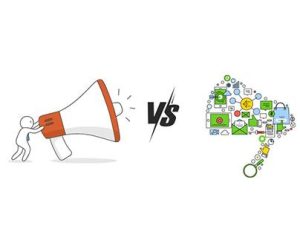
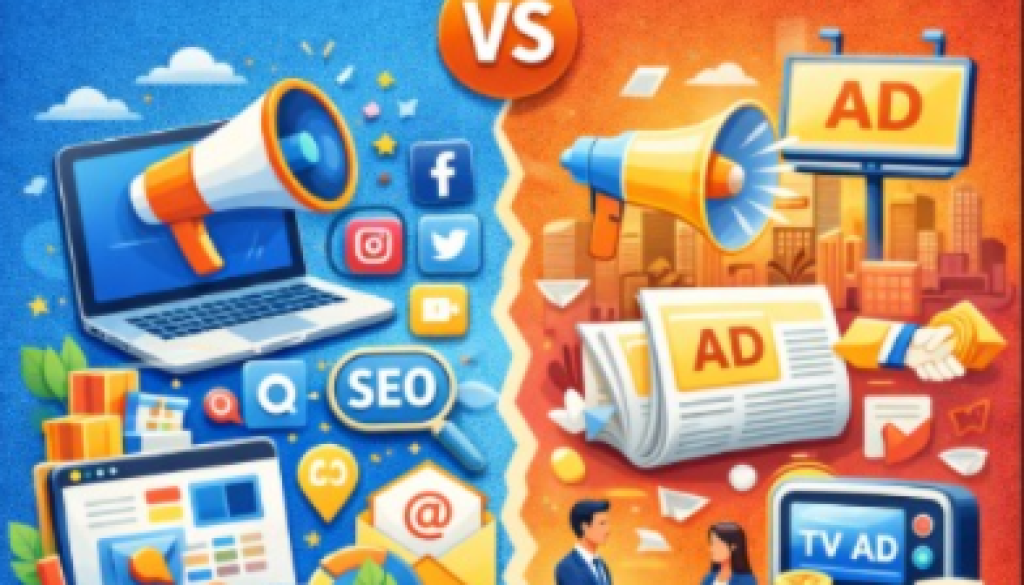
The main “difference between digital marketing and traditional marketing” is the medium used and how audiences are reached. Digital marketing takes place online through social media, websites, and digital ads, offering global reach, low cost, and easy tracking. Traditional marketing, on the other hand, uses offline methods like TV, radio, and print, targeting local audiences with higher costs and limited measurement. Digital marketing enables instant updates and two-way communication, unlike the one-way nature of traditional marketing.
Advantages of Digital Marketing
1) Cost-effective: Less expensive campaigns than TV or newspaper adverts.
2) Measurable: Easy to track clicks, views, and conversions.
3) Targeted: Reaches the intended audience based on data and behavior.
4) Interactive: Interacts with customers via comments, likes, and messages.
Benefits of Traditional Marketing
1) High reach in local areas: Ideal for small or local businesses.
2) Credibility: Print and TV advertising tends to build credibility with audiences.
3) Easy to understand: Older generations know it.
Which is Better?
Selecting digital or traditional marketing relies on your company objectives, target audience, as well as budget. Digital marketing is best suited for online companies and startups that require quantifiable, affordable results. Traditional marketing is best suited for neighborhood brands or working with audiences who favor offline media.
Conclusion
The “difference between digital marketing and traditional marketing” isn’t necessarily right or wrong rather, it’s how they are utilized together. In the modern competitive marketplace, using both means the strongest outcome. Digital marketing provides reach and data driven insights, but traditional marketing provides credibility and human emotion. An equal blend of the two can assist any company in successful growth in the contemporary world.
Consult a professional digital marketing strategist to create a strategy that drives real results.

Fathimathul Muhasina
I enjoyed working with Fathimathul muhasina , an experienced digital marketing strategist in Kannur. Her ability to think creatively and analytically allowed her to develop highly effective and targeted marketing strategies. Happy collaborating with her